Professional Headshots vs. Portraits
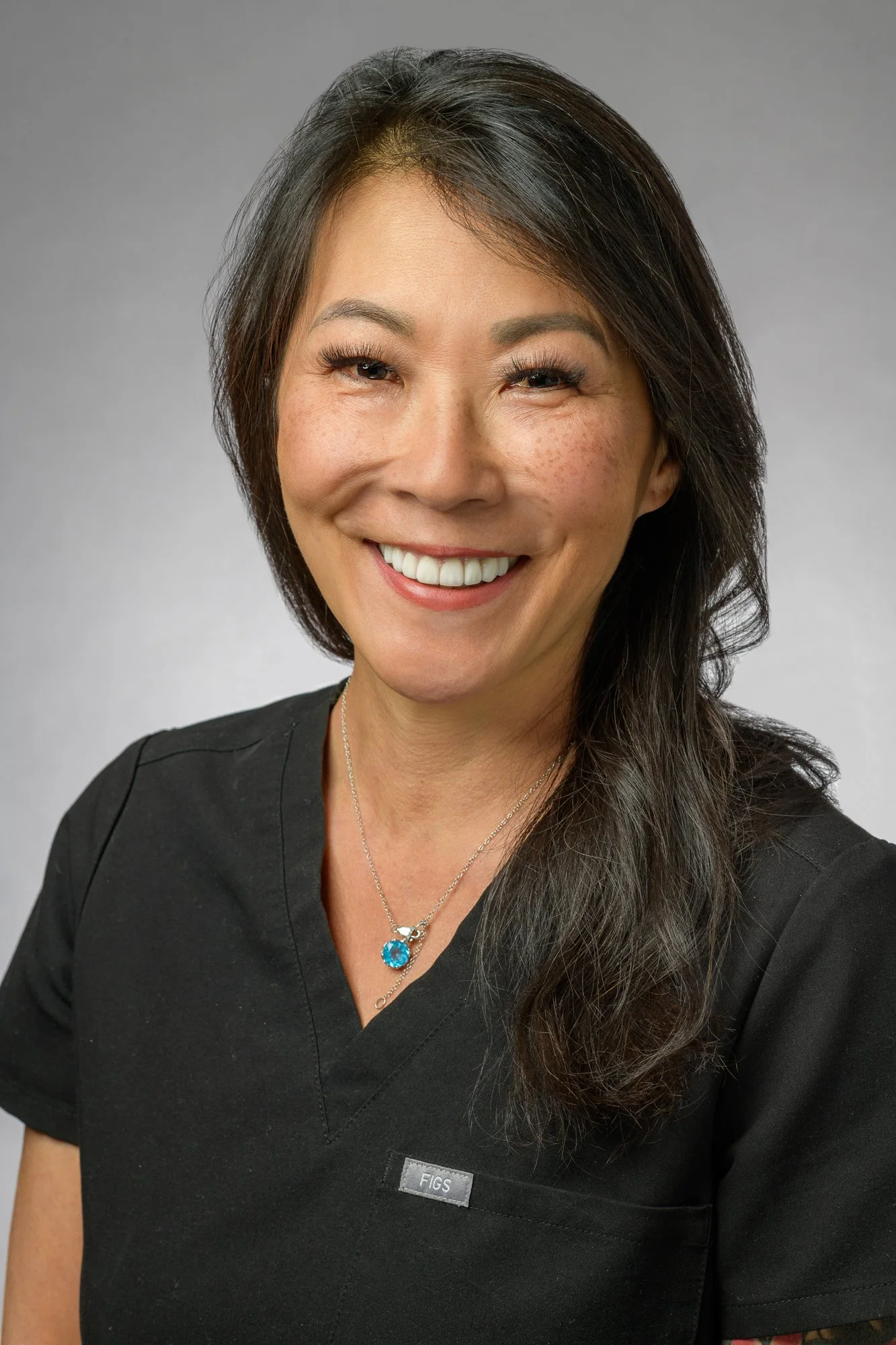
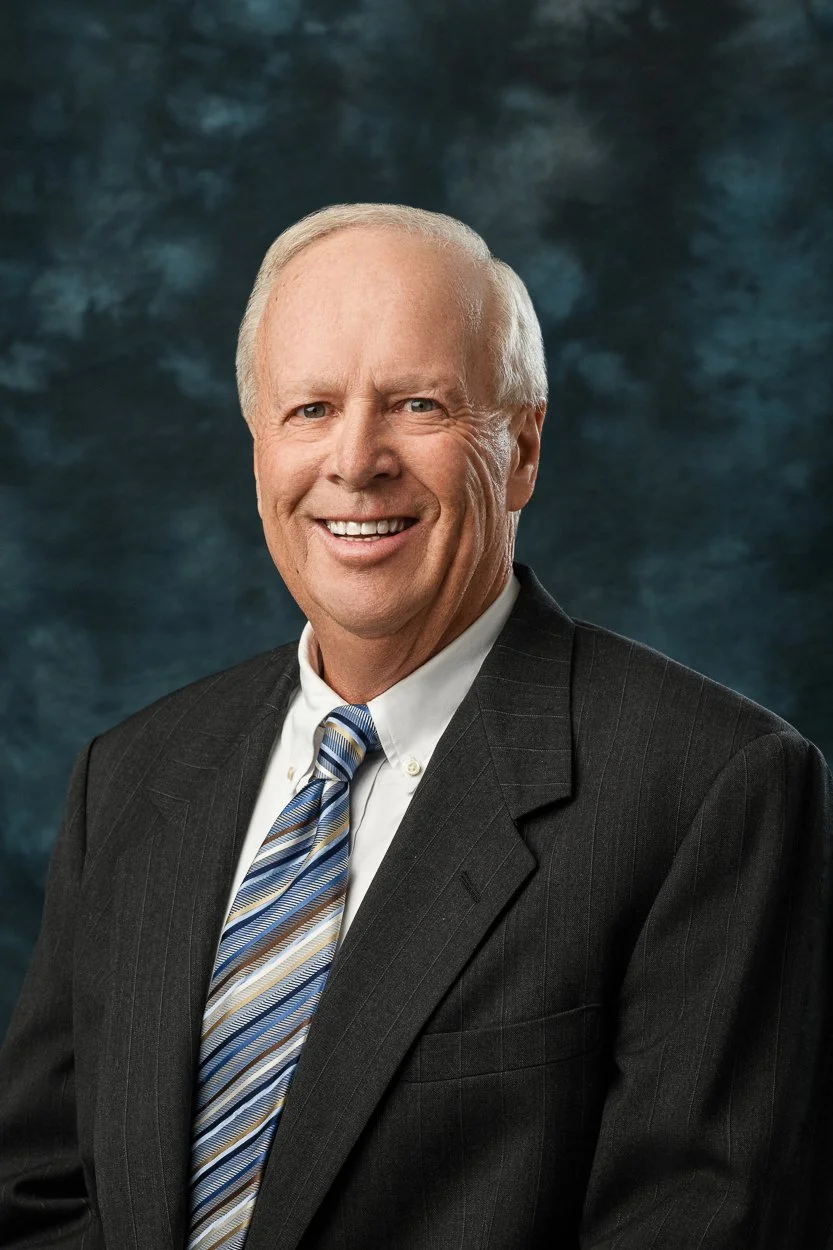
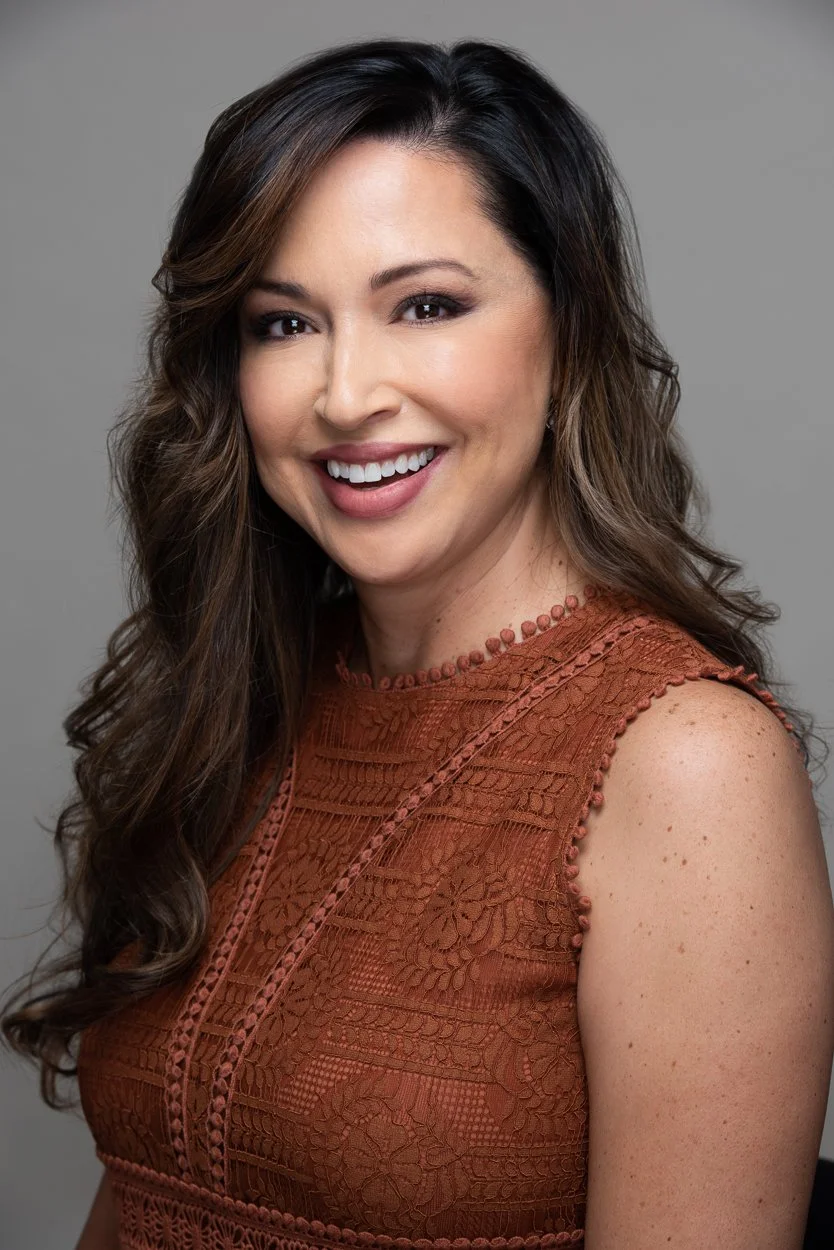
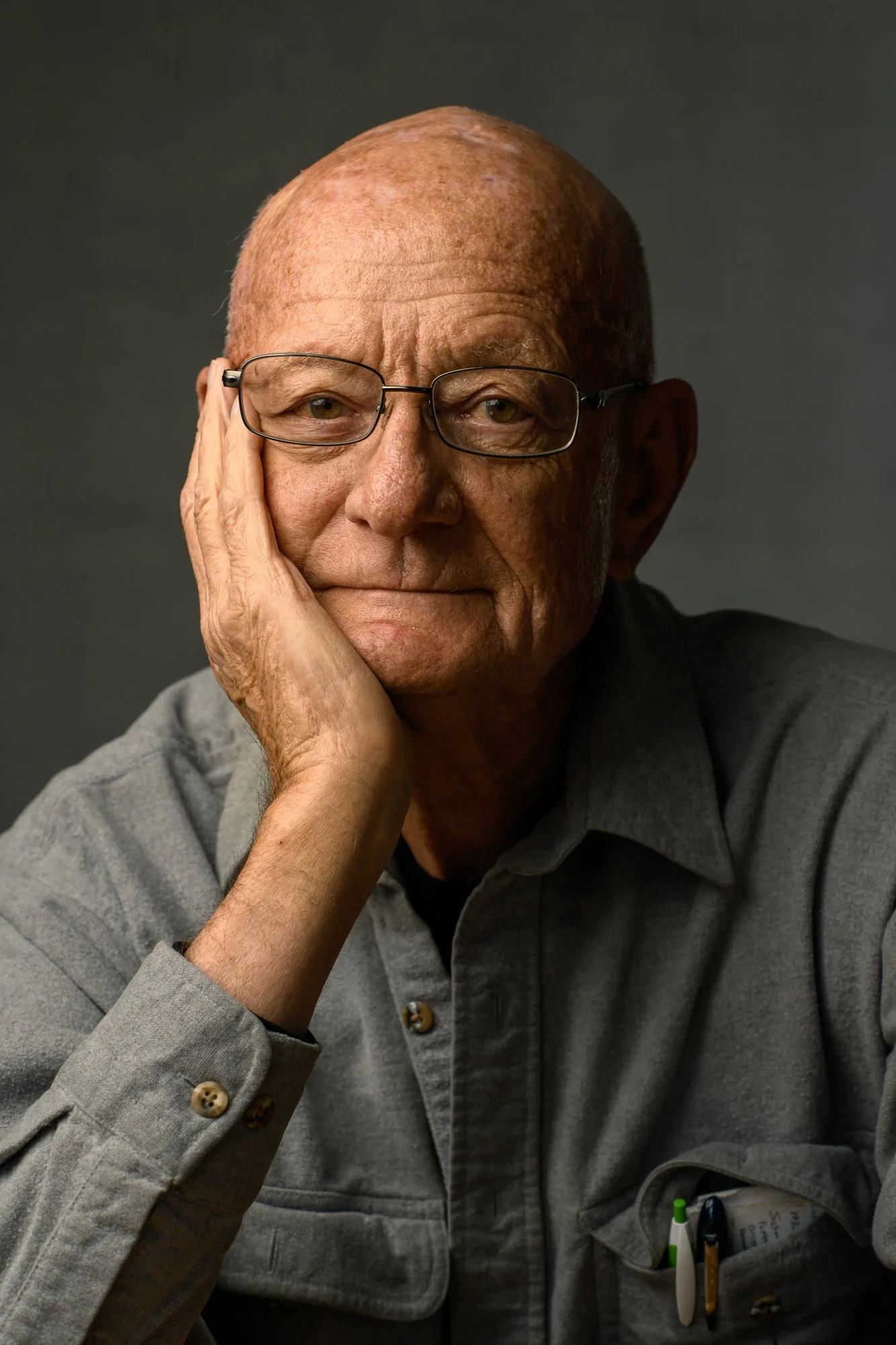
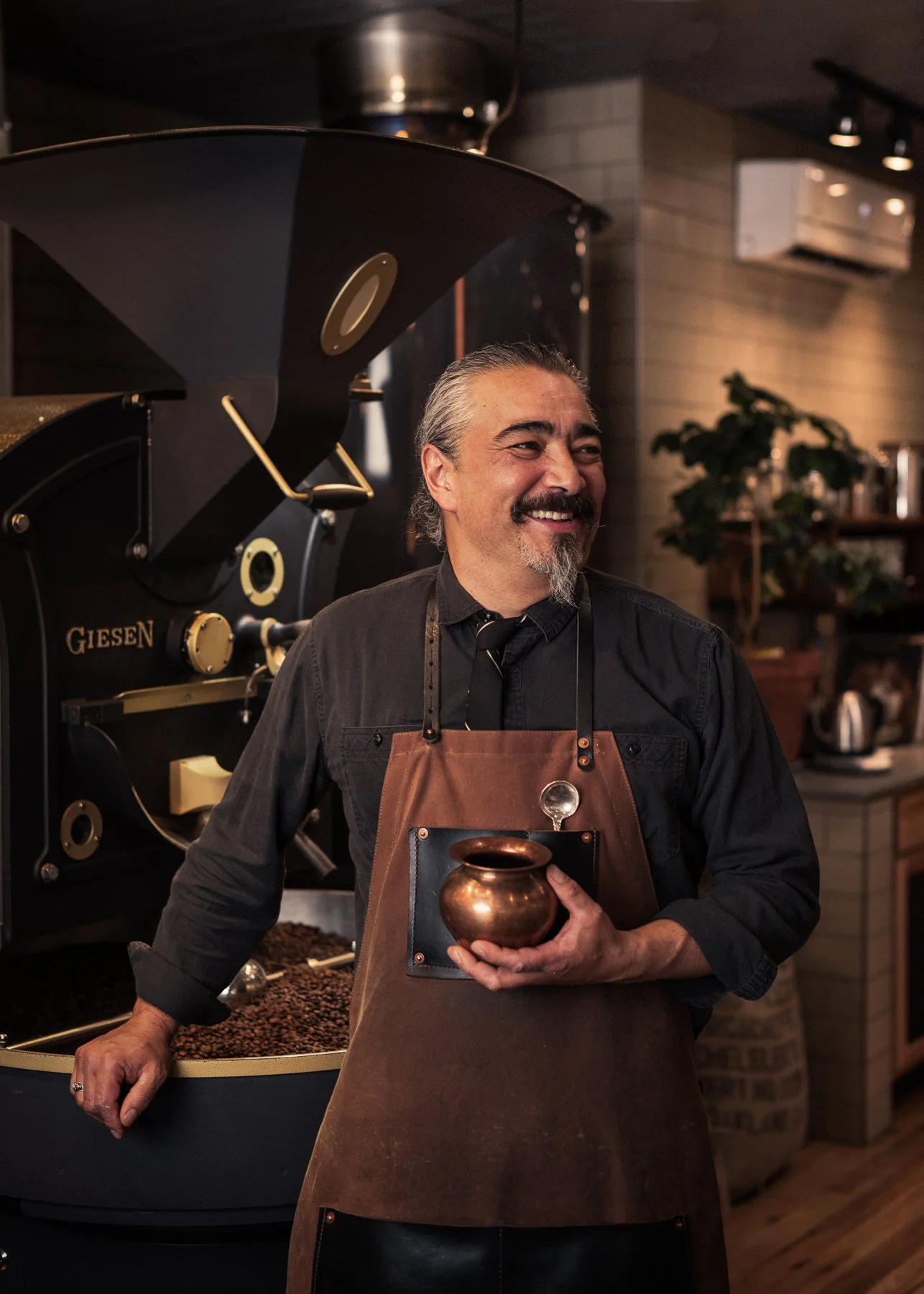
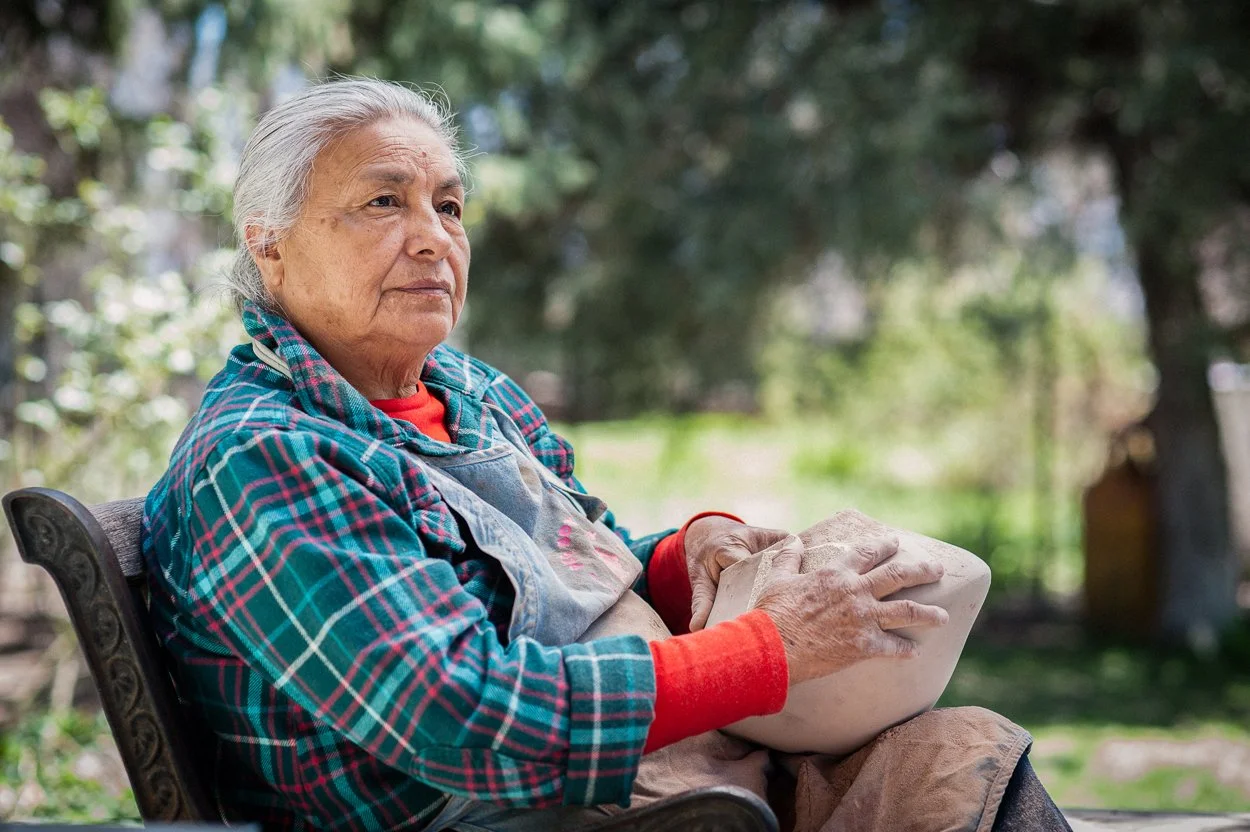
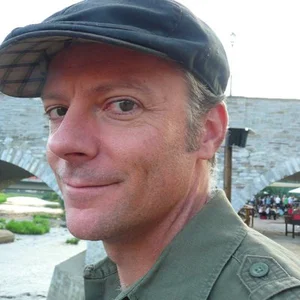
Professional headshots and portraits serve different purposes. A headshot is aimed at presenting a polished, professional image, whereas a portrait can be seen to be more about a person's inner world, perhaps relating to otherworldly ideas, rather than the image they intend to project. In other words, it's more interpretive, i.e., artistic. In the examples above, I've included three of each. The top row are headshots; the bottom row are portraits.
Headshots are generally more formal, functionalized, and standardized. Lighting is even and generally flattering––not trying to stylize for creative purposes but to provide a straightforward (and generally friendly) view of what this person looks like. The photographer's job is to help them put their proverbial 'best foot forward.' I tend to think of it as that point in a handshake when one is smiling and saying, "nice to meet you!"
In the three portraits, the lighting is more stylized. Darkness, shadows, and direction are intentional, as is cropping, creating a mood and feeling that maybe transcends simply what this person looks like, and introduces mystery for the viewer to interpret.
As with all photographs, there is a three-way dialogue between the photographer, the subject, and the viewer, and therefore where the image is seen and by whom is important. Despite the claim above about headshots being 'standardized' not all headshots are the same. In my headshot examples, I've included a healthcare professional, a C-suite businessman, and an actor/model. They look very different because they have different uses and are intended for different audiences. But they are all intended to project positivity, approachability, and confidence to their intended audience.
Tone and lighting create a mood in the portraits that connects them in a different manner than the headshots. The photographer's intentions, or interpretation, are visible. The overall images is not a “nice to meet you” shot, but a little story about that individual.